Hong Kong’s Antiquities Market Under Scrutiny as Scholars Warn of Persistent Illicit Trade Risks
Experts and legal analysts say Hong Kong’s art and antiques ecosystem continues to play a role in the circulation of Chinese cultural objects of uncertain provenance, raising questions about enforcement gaps and global demand
The illicit antiquities trade is increasingly understood as a system-driven market shaped by regulation gaps, global demand for Chinese cultural objects, and Hong Kong’s role as a major international art hub.
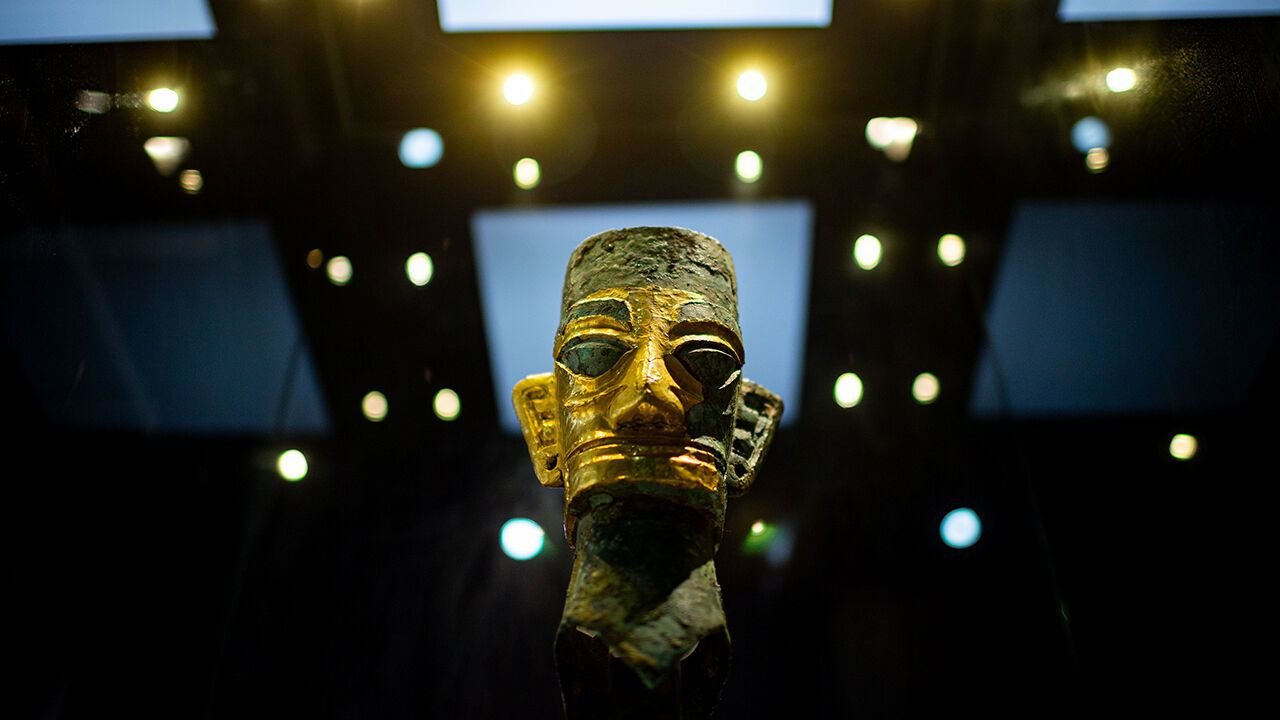
Hong Kong has long been a focal point in discussions about the movement of Chinese antiquities, both legitimate and contested.
Its position as a free port, combined with deep financial infrastructure and a dense network of dealers, auction houses, and private collectors, has made it a natural transit point in global art flows.
Analysts and legal scholars have repeatedly noted that this structure can make it difficult to distinguish between legally exported heritage objects and items with unclear or illicit origins.
The central concern raised in recent years is not that Hong Kong is uniquely responsible for looting, but that its market conditions can enable the circulation of objects whose provenance is difficult to verify.
In particular, Chinese antiquities remain highly sought after internationally, driven by rising valuations and strong collector demand.
This demand creates incentives for intermediaries to obscure origins through resale, re-documentation, or reclassification of items once they enter international trade networks.
Legal experts have pointed to structural factors that complicate enforcement.
Hong Kong does not maintain a comprehensive standalone legal framework specifically targeting all categories of archaeological artifacts originating outside its jurisdiction, including mainland China.
Instead, enforcement relies on general customs rules, theft laws, and trade descriptions regulations.
In practice, this means that authorities often intervene after disputes arise or when objects are clearly identified as stolen rather than when provenance is uncertain at the point of sale.
Historically, the territory has also been associated with the broader Chinese art market for decades, with dealers and auction houses operating in well-established commercial districts.
While major auction houses maintain compliance systems and due diligence processes, smaller transactions and private sales can be more opaque, especially when items pass through multiple jurisdictions before reaching Hong Kong’s market.
Criminal cases in recent years illustrate the narrower but persistent problem of theft and resale within the region.
Police have investigated burglaries involving stolen antique collections, including high-value jade and cultural objects taken from private storage facilities.
Such incidents underscore that illicit antiquities activity is not limited to international smuggling networks but can also involve domestic theft and opportunistic resale within the local market.
At the same time, official positions emphasize enforcement activity and legal compliance.
Customs and police authorities have stated that they act under existing theft and customs laws when credible evidence of criminal origin emerges, including the recovery and return of cultural property when ownership can be established.
However, critics argue that reactive enforcement does not fully address upstream risks in provenance verification.
The broader stakes extend beyond Hong Kong itself.
The global antiquities market depends heavily on transit hubs where cultural goods can be authenticated, resold, or re-exported.
When documentation is incomplete or reconstructed over time, the chain of custody becomes harder to verify, increasing the risk that looted or illegally excavated artifacts may enter legitimate collections.
This tension places Hong Kong at the intersection of cultural heritage protection, international trade, and financial services.
Its continued role as a major Asian art market is not in question, but the governance framework around provenance verification remains a central point of debate among legal scholars, heritage advocates, and market participants.
The outcome of that debate will determine whether Hong Kong strengthens its position as a tightly regulated global art hub or remains a contested space where high-value cultural objects move through complex and partially opaque supply chains under existing trade rules.
Hong Kong has long been a focal point in discussions about the movement of Chinese antiquities, both legitimate and contested.
Its position as a free port, combined with deep financial infrastructure and a dense network of dealers, auction houses, and private collectors, has made it a natural transit point in global art flows.
Analysts and legal scholars have repeatedly noted that this structure can make it difficult to distinguish between legally exported heritage objects and items with unclear or illicit origins.
The central concern raised in recent years is not that Hong Kong is uniquely responsible for looting, but that its market conditions can enable the circulation of objects whose provenance is difficult to verify.
In particular, Chinese antiquities remain highly sought after internationally, driven by rising valuations and strong collector demand.
This demand creates incentives for intermediaries to obscure origins through resale, re-documentation, or reclassification of items once they enter international trade networks.
Legal experts have pointed to structural factors that complicate enforcement.
Hong Kong does not maintain a comprehensive standalone legal framework specifically targeting all categories of archaeological artifacts originating outside its jurisdiction, including mainland China.
Instead, enforcement relies on general customs rules, theft laws, and trade descriptions regulations.
In practice, this means that authorities often intervene after disputes arise or when objects are clearly identified as stolen rather than when provenance is uncertain at the point of sale.
Historically, the territory has also been associated with the broader Chinese art market for decades, with dealers and auction houses operating in well-established commercial districts.
While major auction houses maintain compliance systems and due diligence processes, smaller transactions and private sales can be more opaque, especially when items pass through multiple jurisdictions before reaching Hong Kong’s market.
Criminal cases in recent years illustrate the narrower but persistent problem of theft and resale within the region.
Police have investigated burglaries involving stolen antique collections, including high-value jade and cultural objects taken from private storage facilities.
Such incidents underscore that illicit antiquities activity is not limited to international smuggling networks but can also involve domestic theft and opportunistic resale within the local market.
At the same time, official positions emphasize enforcement activity and legal compliance.
Customs and police authorities have stated that they act under existing theft and customs laws when credible evidence of criminal origin emerges, including the recovery and return of cultural property when ownership can be established.
However, critics argue that reactive enforcement does not fully address upstream risks in provenance verification.
The broader stakes extend beyond Hong Kong itself.
The global antiquities market depends heavily on transit hubs where cultural goods can be authenticated, resold, or re-exported.
When documentation is incomplete or reconstructed over time, the chain of custody becomes harder to verify, increasing the risk that looted or illegally excavated artifacts may enter legitimate collections.
This tension places Hong Kong at the intersection of cultural heritage protection, international trade, and financial services.
Its continued role as a major Asian art market is not in question, but the governance framework around provenance verification remains a central point of debate among legal scholars, heritage advocates, and market participants.
The outcome of that debate will determine whether Hong Kong strengthens its position as a tightly regulated global art hub or remains a contested space where high-value cultural objects move through complex and partially opaque supply chains under existing trade rules.
AI Disclaimer: An advanced artificial intelligence (AI) system generated the content of this page on its own. This innovative technology conducts extensive research from a variety of reliable sources, performs rigorous fact-checking and verification, cleans up and balances biased or manipulated content, and presents a minimal factual summary that is just enough yet essential for you to function as an informed and educated citizen. Please keep in mind, however, that this system is an evolving technology, and as a result, the article may contain accidental inaccuracies or errors. We urge you to help us improve our site by reporting any inaccuracies you find using the "Contact Us" link at the bottom of this page. Your helpful feedback helps us improve our system and deliver more precise content. When you find an article of interest here, please look for the full and extensive coverage of this topic in traditional news sources, as they are written by professional journalists that we try to support, not replace. We appreciate your understanding and assistance.