Hong Kong Expands Nestlé Formula Recall as Second Batch Pulled Over Contamination Fears
Hong Kong health authorities and Nestlé have announced an expanded recall of infant formula products after identifying additional batches that may be contaminated with a toxin produced by the bacterium Bacillus cereus. The voluntary and precautionary recall, which affects 21 batches of powdered infant and young children’s formula distributed in the city, comes amid a global wave of similar withdrawals following concerns over a heat-stable toxin known as cereulide.
The Centre for Food Safety said the recall follows Nestlé’s earlier action in Europe and other regions, where certain products were found to have potentially used an ingredient that might contain the toxin. Nestlé Hong Kong has stopped sales of the affected batches, removed them from store shelves and urged parents not to feed the products to infants and young children pending further advice. Although no confirmed cases of illness linked to the recalled batches have been reported, authorities are treating the issue seriously and conducting enhanced surveillance.
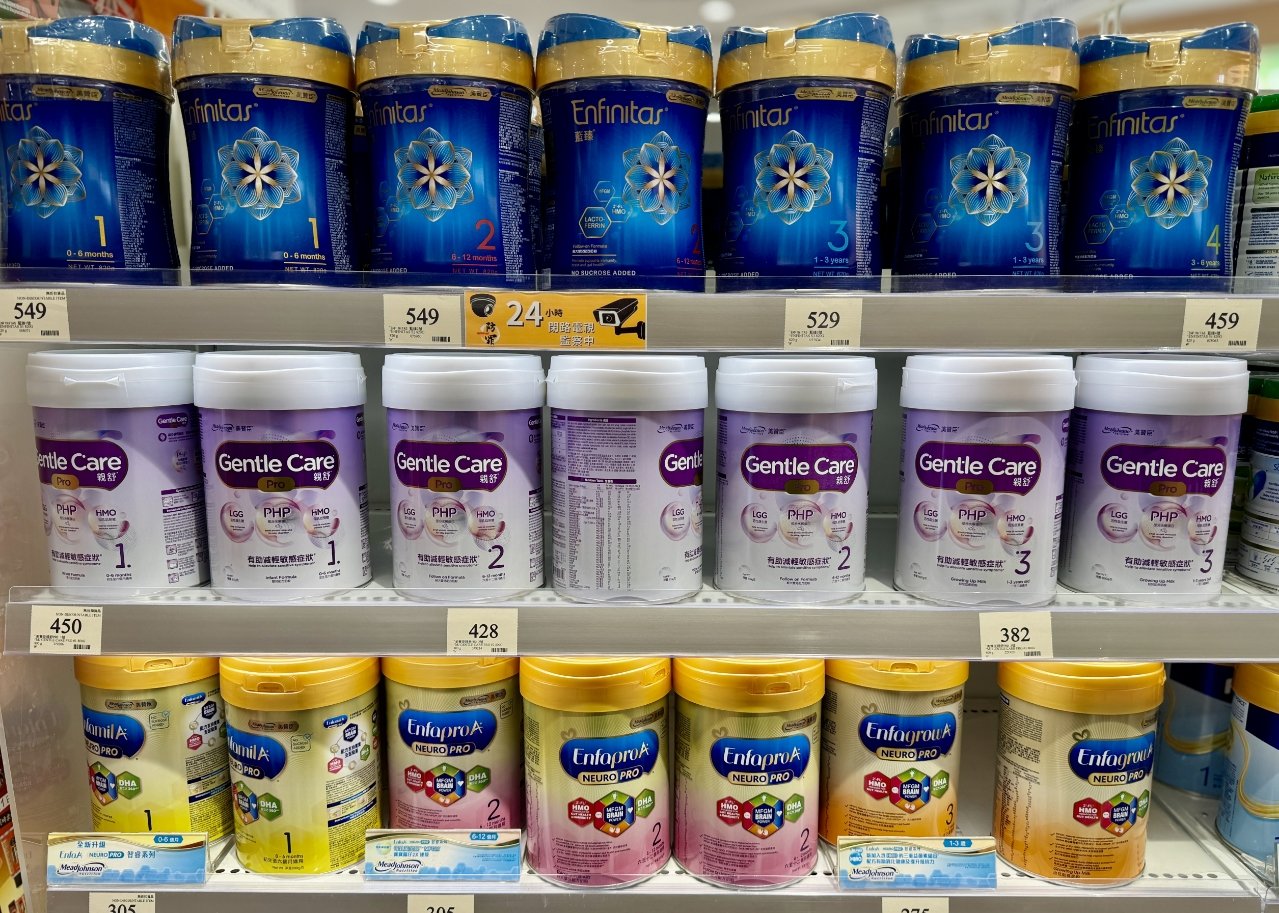
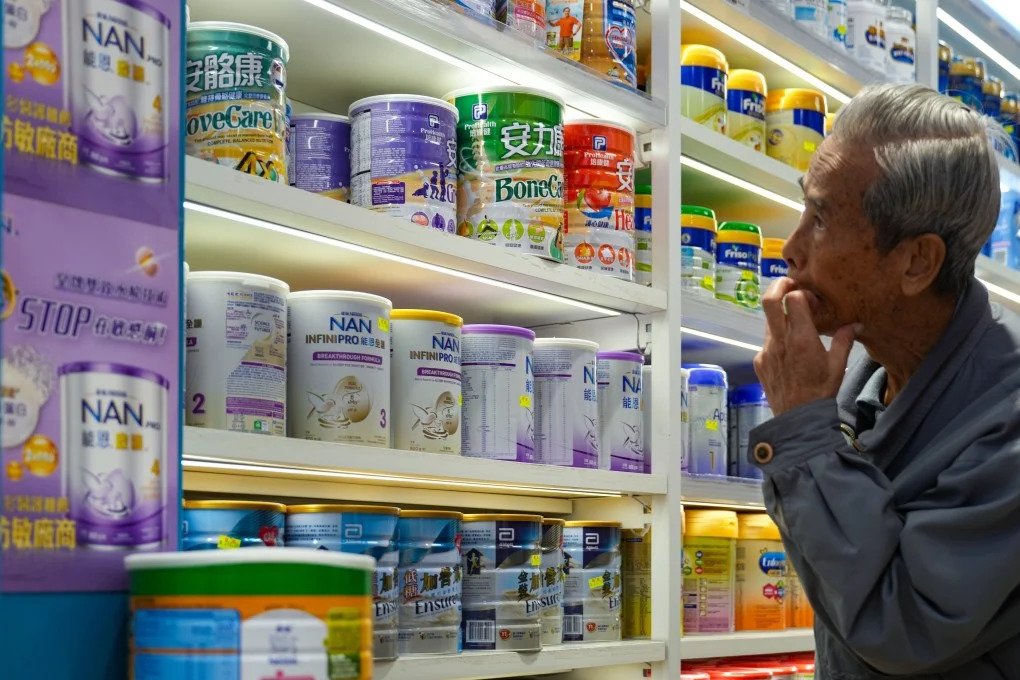
The recalled products include formulas sold under the NESTLÉ® NAN® and Wyeth® Nutrition brands, with specific batch numbers and expiry dates listed by Nestlé. Officials emphasised that the recall is voluntary and precautionary, reflecting the company’s stringent safety and quality protocols. Bacillus cereus is an environmental bacterium, and cereulide — the toxin it can produce — is not neutralised by boiling water or normal formula preparation methods, heightening concerns about potential exposure.
Parents and caregivers are advised to check product packaging against recall information, discontinue use of any affected products immediately and contact Nestlé or their retailers to arrange refunds. Hong Kong’s Department of Health has received reports of gastrointestinal discomfort among a small number of infants who consumed formula products, but preliminary investigations have ruled out cereulide toxin in most cases. Authorities continue to monitor the situation and have urged caregivers to seek medical attention if infants display symptoms such as nausea or diarrhoea after formula consumption.
Nestlé has reiterated that the broader recall affects only a small fraction of its global formula output and that the company is cooperating with Hong Kong and international regulators while working with suppliers to identify the root cause of the quality concern. Officials and medical professionals stress that while vigilance is warranted, parents should remain calm and consult health providers if they have concerns about infant feeding and wellbeing.