China’s Marriage Slump Signals Deepening Demographic and Economic Strain
First-quarter marriage registrations fell to near-pandemic lows, intensifying concerns over declining births, shrinking labour supply and mounting pressure on China’s long-term growth model.
China’s demographic crisis is increasingly being driven not just by falling birth rates, but by a sustained collapse in marriage formation itself.
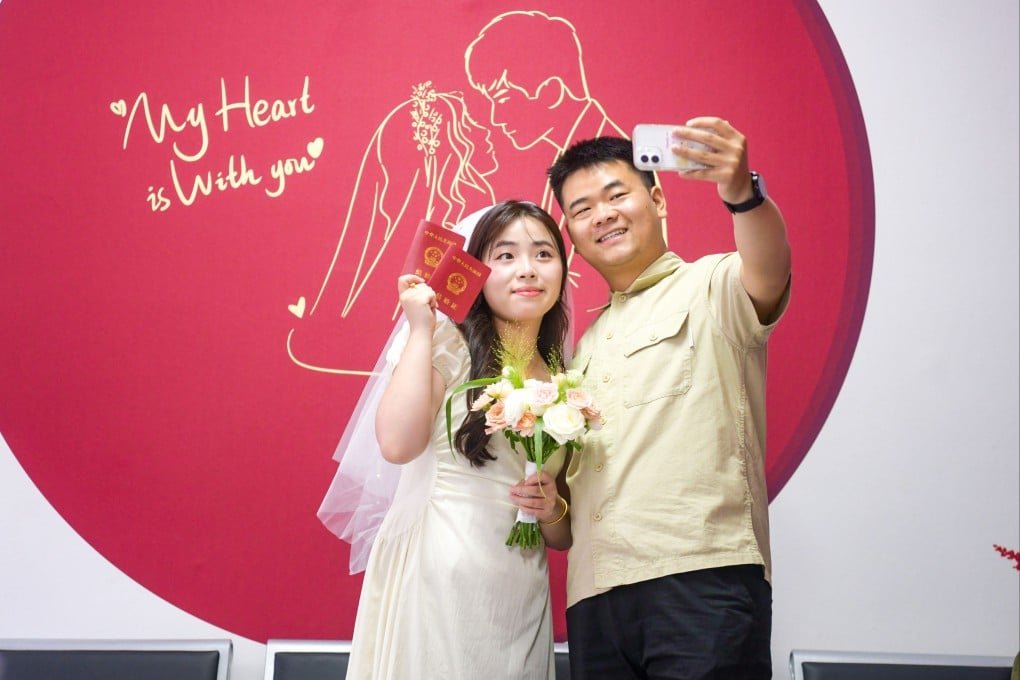
Official data released by the Ministry of Civil Affairs showed that only 1.697 million couples registered to marry in the first quarter of this year, down more than 6 per cent from a year earlier and the weakest first-quarter figure since the height of the Covid-19 lockdown period in 2020.
The decline matters because marriage in China remains closely tied to childbirth.
Despite gradual social change in large cities, births outside marriage are still uncommon and often socially discouraged.
As a result, falling marriage registrations are widely treated by economists and policymakers as a leading indicator of future population decline.
The numbers underscore the scale of the challenge confronting the world’s second-largest economy.
China’s population has already declined for four consecutive years after decades of rapid expansion.
The country’s total fertility rate remains well below replacement level, while the number of elderly citizens continues to rise rapidly.
The combination threatens to weaken the labour force, slow productivity growth and increase long-term fiscal pressure on pension and healthcare systems.
The weakness is particularly striking because the first quarter is normally one of the busiest periods for marriage registrations due to the Lunar New Year holiday season, when families traditionally organise weddings and reunions.
The fact that registrations still fell despite this seasonal boost suggests the trend is becoming structural rather than cyclical.
The causes extend far beyond temporary economic uncertainty.
Younger Chinese increasingly face a combination of high housing costs, weak wage growth, unstable employment prospects and rising educational expenses.
Those pressures have reshaped attitudes toward marriage and parenthood, especially in urban areas where the cost of raising children has surged.
A growing number of young adults are also delaying or rejecting marriage altogether.
Surveys and social trends show rising scepticism toward traditional family expectations, particularly among women with higher education levels and stronger career prospects.
Many cite financial burdens, workplace discrimination linked to motherhood and unequal domestic expectations as reasons for postponing marriage or choosing not to have children.
China’s prolonged property downturn has intensified those pressures.
Home ownership remains strongly linked to marriage expectations in many parts of the country, especially for men.
But falling property values, tighter household finances and weaker consumer confidence have made marriage financially harder to achieve for many younger couples.
The government has attempted to reverse the trend through a growing range of pro-family policies.
Authorities have expanded childcare subsidies in some regions, encouraged local governments to offer housing support and promoted campaigns encouraging earlier marriage and childbirth.
Restrictions on the number of children families can have were abolished years ago, ending the one-child policy era.
Yet policy efforts have produced only limited results because many of the underlying pressures are economic and cultural rather than purely regulatory.
Financial incentives remain relatively modest compared with the actual cost of child-rearing in major Chinese cities.
Long working hours, competitive education systems and limited social mobility have also contributed to declining willingness among younger generations to start families.
The marriage slowdown also highlights a broader transformation in Chinese society.
For decades, rapid economic growth supported rising household formation, urbanisation and consumer spending.
That model depended heavily on expanding populations and strong confidence about future income.
Slower marriage growth now signals weakening expectations among younger consumers at a time when China is already struggling with subdued domestic demand.
The economic consequences could become increasingly severe over the next decade.
A shrinking working-age population risks reducing tax revenues while increasing the number of retirees dependent on state support.
Labour shortages in some industries are already emerging in parts of the country, while local governments face mounting fiscal strain.
The decline also carries implications for housing demand, education markets and long-term consumption patterns.
Fewer marriages generally mean fewer first-time homebuyers, lower household formation and reduced spending on major family-related purchases.
That creates additional pressure for an economy already attempting to transition away from property-driven growth.
Divorce registrations fell slightly in the first quarter, but the decrease was modest compared with the continuing drop in marriages.
The more important trend is not family breakdown but the growing number of people never entering marriage at all.
China’s leadership increasingly describes demographic decline as a national strategic challenge rather than simply a social issue.
But the latest figures suggest the country is confronting a generational shift in attitudes toward work, family and economic security that may prove far harder to reverse than earlier policymakers anticipated.
Official data released by the Ministry of Civil Affairs showed that only 1.697 million couples registered to marry in the first quarter of this year, down more than 6 per cent from a year earlier and the weakest first-quarter figure since the height of the Covid-19 lockdown period in 2020.
The decline matters because marriage in China remains closely tied to childbirth.
Despite gradual social change in large cities, births outside marriage are still uncommon and often socially discouraged.
As a result, falling marriage registrations are widely treated by economists and policymakers as a leading indicator of future population decline.
The numbers underscore the scale of the challenge confronting the world’s second-largest economy.
China’s population has already declined for four consecutive years after decades of rapid expansion.
The country’s total fertility rate remains well below replacement level, while the number of elderly citizens continues to rise rapidly.
The combination threatens to weaken the labour force, slow productivity growth and increase long-term fiscal pressure on pension and healthcare systems.
The weakness is particularly striking because the first quarter is normally one of the busiest periods for marriage registrations due to the Lunar New Year holiday season, when families traditionally organise weddings and reunions.
The fact that registrations still fell despite this seasonal boost suggests the trend is becoming structural rather than cyclical.
The causes extend far beyond temporary economic uncertainty.
Younger Chinese increasingly face a combination of high housing costs, weak wage growth, unstable employment prospects and rising educational expenses.
Those pressures have reshaped attitudes toward marriage and parenthood, especially in urban areas where the cost of raising children has surged.
A growing number of young adults are also delaying or rejecting marriage altogether.
Surveys and social trends show rising scepticism toward traditional family expectations, particularly among women with higher education levels and stronger career prospects.
Many cite financial burdens, workplace discrimination linked to motherhood and unequal domestic expectations as reasons for postponing marriage or choosing not to have children.
China’s prolonged property downturn has intensified those pressures.
Home ownership remains strongly linked to marriage expectations in many parts of the country, especially for men.
But falling property values, tighter household finances and weaker consumer confidence have made marriage financially harder to achieve for many younger couples.
The government has attempted to reverse the trend through a growing range of pro-family policies.
Authorities have expanded childcare subsidies in some regions, encouraged local governments to offer housing support and promoted campaigns encouraging earlier marriage and childbirth.
Restrictions on the number of children families can have were abolished years ago, ending the one-child policy era.
Yet policy efforts have produced only limited results because many of the underlying pressures are economic and cultural rather than purely regulatory.
Financial incentives remain relatively modest compared with the actual cost of child-rearing in major Chinese cities.
Long working hours, competitive education systems and limited social mobility have also contributed to declining willingness among younger generations to start families.
The marriage slowdown also highlights a broader transformation in Chinese society.
For decades, rapid economic growth supported rising household formation, urbanisation and consumer spending.
That model depended heavily on expanding populations and strong confidence about future income.
Slower marriage growth now signals weakening expectations among younger consumers at a time when China is already struggling with subdued domestic demand.
The economic consequences could become increasingly severe over the next decade.
A shrinking working-age population risks reducing tax revenues while increasing the number of retirees dependent on state support.
Labour shortages in some industries are already emerging in parts of the country, while local governments face mounting fiscal strain.
The decline also carries implications for housing demand, education markets and long-term consumption patterns.
Fewer marriages generally mean fewer first-time homebuyers, lower household formation and reduced spending on major family-related purchases.
That creates additional pressure for an economy already attempting to transition away from property-driven growth.
Divorce registrations fell slightly in the first quarter, but the decrease was modest compared with the continuing drop in marriages.
The more important trend is not family breakdown but the growing number of people never entering marriage at all.
China’s leadership increasingly describes demographic decline as a national strategic challenge rather than simply a social issue.
But the latest figures suggest the country is confronting a generational shift in attitudes toward work, family and economic security that may prove far harder to reverse than earlier policymakers anticipated.
AI Disclaimer: An advanced artificial intelligence (AI) system generated the content of this page on its own. This innovative technology conducts extensive research from a variety of reliable sources, performs rigorous fact-checking and verification, cleans up and balances biased or manipulated content, and presents a minimal factual summary that is just enough yet essential for you to function as an informed and educated citizen. Please keep in mind, however, that this system is an evolving technology, and as a result, the article may contain accidental inaccuracies or errors. We urge you to help us improve our site by reporting any inaccuracies you find using the "Contact Us" link at the bottom of this page. Your helpful feedback helps us improve our system and deliver more precise content. When you find an article of interest here, please look for the full and extensive coverage of this topic in traditional news sources, as they are written by professional journalists that we try to support, not replace. We appreciate your understanding and assistance.