Hong Kong’s Investment Rebound Signals Recovery — but the Economy Remains Uneven
A sharp rise in machinery spending and construction investment helped drive Hong Kong’s fastest quarterly growth in nearly five years, even as structural weaknesses persist across property, consumption and public finances.
Hong Kong’s economic recovery is being driven by investment and exports rather than broad-based consumer strength, revealing an economy that is improving faster on paper than many residents experience in daily life.
What is confirmed is that Hong Kong’s economy expanded by 5.9 per cent year on year in the first quarter of 2026, its strongest quarterly growth since mid-2021. Gross fixed capital formation — a key measure of investment in buildings, infrastructure, machinery and equipment — surged roughly 17 per cent from a year earlier.
Financial Secretary Paul Chan said the increase was led mainly by machinery purchases and construction-related activity.
The rebound matters because Hong Kong spent several years trapped in a low-growth cycle marked by property stress, weak retail demand, high interest rates and post-pandemic economic disruption.
Investment growth had previously remained in single digits, reflecting corporate caution and weak confidence in the city’s outlook.
The current recovery is being powered by three main engines: strong exports tied to global demand for electronics and artificial intelligence-related products, revived cross-border financial activity with mainland China, and a stabilization in segments of the property market that is feeding into construction demand.
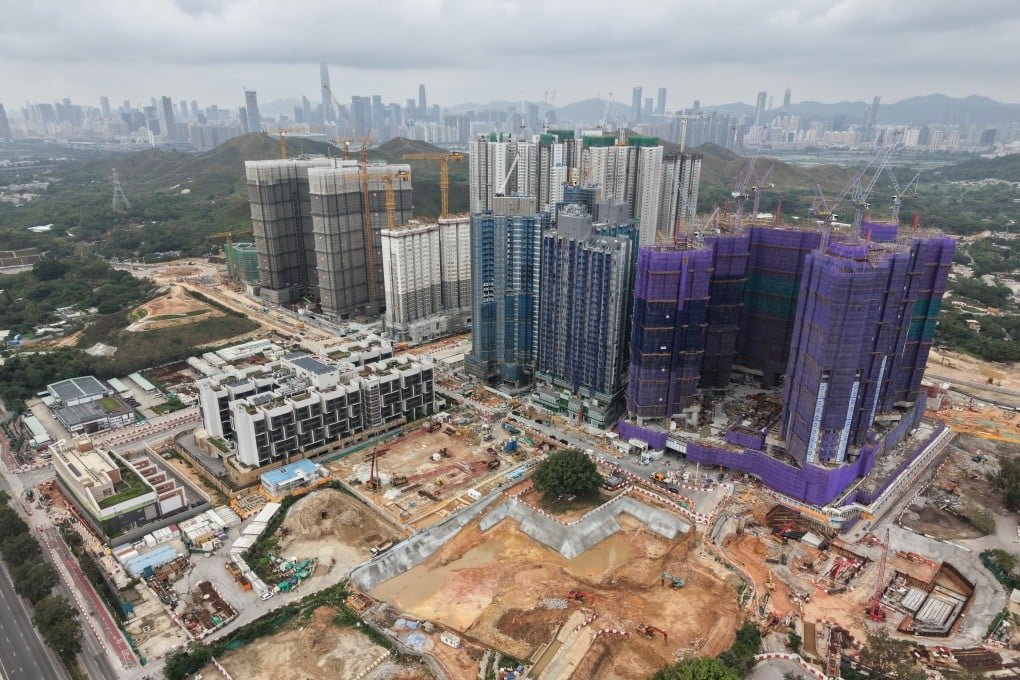
The role of construction is particularly important.
Hong Kong’s property sector is deeply embedded in the broader economy through employment, banking exposure, infrastructure spending and government revenue from land sales.
A prolonged property downturn had weakened developers, reduced investment appetite and dragged on related industries.
Chan argued that stabilization in the property market is helping restore momentum in construction activity.
That assessment aligns with recent signs of moderation in property declines, lower financing pressure in some residential segments and increased activity linked to public infrastructure and redevelopment projects.
But the recovery remains highly uneven.
Commercial real estate, especially offices, continues to face structural pressure from high vacancy rates, changing work patterns and weak corporate demand.
Retail activity has improved unevenly, and many small businesses continue to report soft spending conditions despite stronger headline growth.
The economy is also benefiting heavily from external factors that Hong Kong does not fully control.
Global demand for electronics connected to artificial intelligence infrastructure has boosted regional trade flows and helped lift exports.
Hong Kong’s role as a logistics, financing and trading hub allows it to benefit from that demand surge even without manufacturing the products directly.
At the same time, stronger cross-border capital activity has improved sentiment in financial markets.
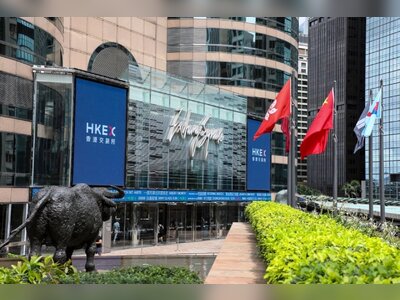
Hong Kong’s stock market has recovered from earlier weakness, initial public offering activity has strengthened and mainland Chinese firms continue to use the city as a major offshore financing platform.
Those improvements have helped restore confidence among investors and financial institutions.
Some analysts have upgraded growth forecasts for 2026 after the stronger-than-expected first-quarter figures.
However, headline growth figures obscure underlying fragilities.
Hong Kong remains exposed to geopolitical tensions, particularly conflict in the Middle East and ongoing US-China strategic rivalry.
Higher energy prices, shipping disruptions or tighter global financial conditions could quickly weaken trade and investment flows.
Because the Hong Kong dollar is pegged to the US dollar, local interest-rate conditions are also heavily influenced by American monetary policy.
Public finances remain under pressure despite the economic rebound.
The government has run several years of fiscal deficits following pandemic spending, weaker land-sale income and slower property transactions.
Officials are increasingly relying on bond issuance and large infrastructure programs to stimulate long-term growth.
One major focus is the Northern Metropolis project near the Shenzhen border, which authorities see as central to integrating Hong Kong more closely with mainland China’s technology and innovation economy.
Large-scale infrastructure and development projects connected to that strategy are contributing to construction-related investment growth.
The government is also attempting to reposition Hong Kong as a center for technology, green finance and advanced services.
Officials argue that artificial intelligence, digital infrastructure and deeper economic integration with mainland China will support future growth.
But there is a growing disconnect between financial indicators and household perceptions.
Chan himself acknowledged that not all residents immediately feel the improvement in economic conditions.
Wage growth remains uneven, living costs are high and many households remain cautious after years of economic volatility.
That disconnect reflects the structure of Hong Kong’s economy.
Finance, property and external trade can generate strong GDP growth without necessarily producing broad improvements in income security or consumer confidence.
Asset markets may recover faster than employment conditions or small-business revenues.
The key issue is whether the current rebound evolves into a durable domestic recovery or remains concentrated in finance, exports and investment spending.
Sustained improvement would require stronger household consumption, healthier property fundamentals and wider business confidence beyond major financial and construction sectors.
For now, the data shows that Hong Kong has regained economic momentum faster than many analysts expected.
Investment is returning, exports are accelerating and construction activity is recovering.
But the city’s recovery remains heavily dependent on external demand, financial flows and government-backed development strategies rather than a fully restored local economy.
The immediate consequence is a more stable outlook for growth through the remainder of 2026, with investment and export activity now acting as the central pillars supporting Hong Kong’s post-pandemic economic reset.
What is confirmed is that Hong Kong’s economy expanded by 5.9 per cent year on year in the first quarter of 2026, its strongest quarterly growth since mid-2021. Gross fixed capital formation — a key measure of investment in buildings, infrastructure, machinery and equipment — surged roughly 17 per cent from a year earlier.
Financial Secretary Paul Chan said the increase was led mainly by machinery purchases and construction-related activity.
The rebound matters because Hong Kong spent several years trapped in a low-growth cycle marked by property stress, weak retail demand, high interest rates and post-pandemic economic disruption.
Investment growth had previously remained in single digits, reflecting corporate caution and weak confidence in the city’s outlook.
The current recovery is being powered by three main engines: strong exports tied to global demand for electronics and artificial intelligence-related products, revived cross-border financial activity with mainland China, and a stabilization in segments of the property market that is feeding into construction demand.
The role of construction is particularly important.
Hong Kong’s property sector is deeply embedded in the broader economy through employment, banking exposure, infrastructure spending and government revenue from land sales.
A prolonged property downturn had weakened developers, reduced investment appetite and dragged on related industries.
Chan argued that stabilization in the property market is helping restore momentum in construction activity.
That assessment aligns with recent signs of moderation in property declines, lower financing pressure in some residential segments and increased activity linked to public infrastructure and redevelopment projects.
But the recovery remains highly uneven.
Commercial real estate, especially offices, continues to face structural pressure from high vacancy rates, changing work patterns and weak corporate demand.
Retail activity has improved unevenly, and many small businesses continue to report soft spending conditions despite stronger headline growth.
The economy is also benefiting heavily from external factors that Hong Kong does not fully control.
Global demand for electronics connected to artificial intelligence infrastructure has boosted regional trade flows and helped lift exports.
Hong Kong’s role as a logistics, financing and trading hub allows it to benefit from that demand surge even without manufacturing the products directly.
At the same time, stronger cross-border capital activity has improved sentiment in financial markets.
Hong Kong’s stock market has recovered from earlier weakness, initial public offering activity has strengthened and mainland Chinese firms continue to use the city as a major offshore financing platform.
Those improvements have helped restore confidence among investors and financial institutions.
Some analysts have upgraded growth forecasts for 2026 after the stronger-than-expected first-quarter figures.
However, headline growth figures obscure underlying fragilities.
Hong Kong remains exposed to geopolitical tensions, particularly conflict in the Middle East and ongoing US-China strategic rivalry.
Higher energy prices, shipping disruptions or tighter global financial conditions could quickly weaken trade and investment flows.
Because the Hong Kong dollar is pegged to the US dollar, local interest-rate conditions are also heavily influenced by American monetary policy.
Public finances remain under pressure despite the economic rebound.
The government has run several years of fiscal deficits following pandemic spending, weaker land-sale income and slower property transactions.
Officials are increasingly relying on bond issuance and large infrastructure programs to stimulate long-term growth.
One major focus is the Northern Metropolis project near the Shenzhen border, which authorities see as central to integrating Hong Kong more closely with mainland China’s technology and innovation economy.
Large-scale infrastructure and development projects connected to that strategy are contributing to construction-related investment growth.
The government is also attempting to reposition Hong Kong as a center for technology, green finance and advanced services.
Officials argue that artificial intelligence, digital infrastructure and deeper economic integration with mainland China will support future growth.
But there is a growing disconnect between financial indicators and household perceptions.
Chan himself acknowledged that not all residents immediately feel the improvement in economic conditions.
Wage growth remains uneven, living costs are high and many households remain cautious after years of economic volatility.
That disconnect reflects the structure of Hong Kong’s economy.
Finance, property and external trade can generate strong GDP growth without necessarily producing broad improvements in income security or consumer confidence.
Asset markets may recover faster than employment conditions or small-business revenues.
The key issue is whether the current rebound evolves into a durable domestic recovery or remains concentrated in finance, exports and investment spending.
Sustained improvement would require stronger household consumption, healthier property fundamentals and wider business confidence beyond major financial and construction sectors.
For now, the data shows that Hong Kong has regained economic momentum faster than many analysts expected.
Investment is returning, exports are accelerating and construction activity is recovering.
But the city’s recovery remains heavily dependent on external demand, financial flows and government-backed development strategies rather than a fully restored local economy.
The immediate consequence is a more stable outlook for growth through the remainder of 2026, with investment and export activity now acting as the central pillars supporting Hong Kong’s post-pandemic economic reset.
AI Disclaimer: An advanced artificial intelligence (AI) system generated the content of this page on its own. This innovative technology conducts extensive research from a variety of reliable sources, performs rigorous fact-checking and verification, cleans up and balances biased or manipulated content, and presents a minimal factual summary that is just enough yet essential for you to function as an informed and educated citizen. Please keep in mind, however, that this system is an evolving technology, and as a result, the article may contain accidental inaccuracies or errors. We urge you to help us improve our site by reporting any inaccuracies you find using the "Contact Us" link at the bottom of this page. Your helpful feedback helps us improve our system and deliver more precise content. When you find an article of interest here, please look for the full and extensive coverage of this topic in traditional news sources, as they are written by professional journalists that we try to support, not replace. We appreciate your understanding and assistance.