Hong Kong’s Distressed-Debt Market Enters a Brutal New Phase as Banks Push Property Fire Sales
Commercial real estate losses, developer refinancing stress and mounting bad loans are forcing Hong Kong lenders and restructuring teams into faster liquidations and discounted asset disposals.
Hong Kong’s banking and restructuring system is driving an aggressive wave of property fire sales and liquidations as lenders confront the city’s deepest commercial real estate downturn since the Asian financial crisis.
The shift marks a decisive escalation from years of loan extensions and quiet refinancing talks toward forced disposals, distressed-debt trading and court-driven restructuring.
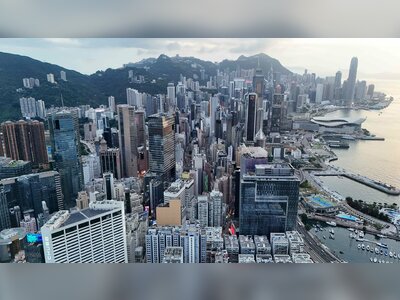
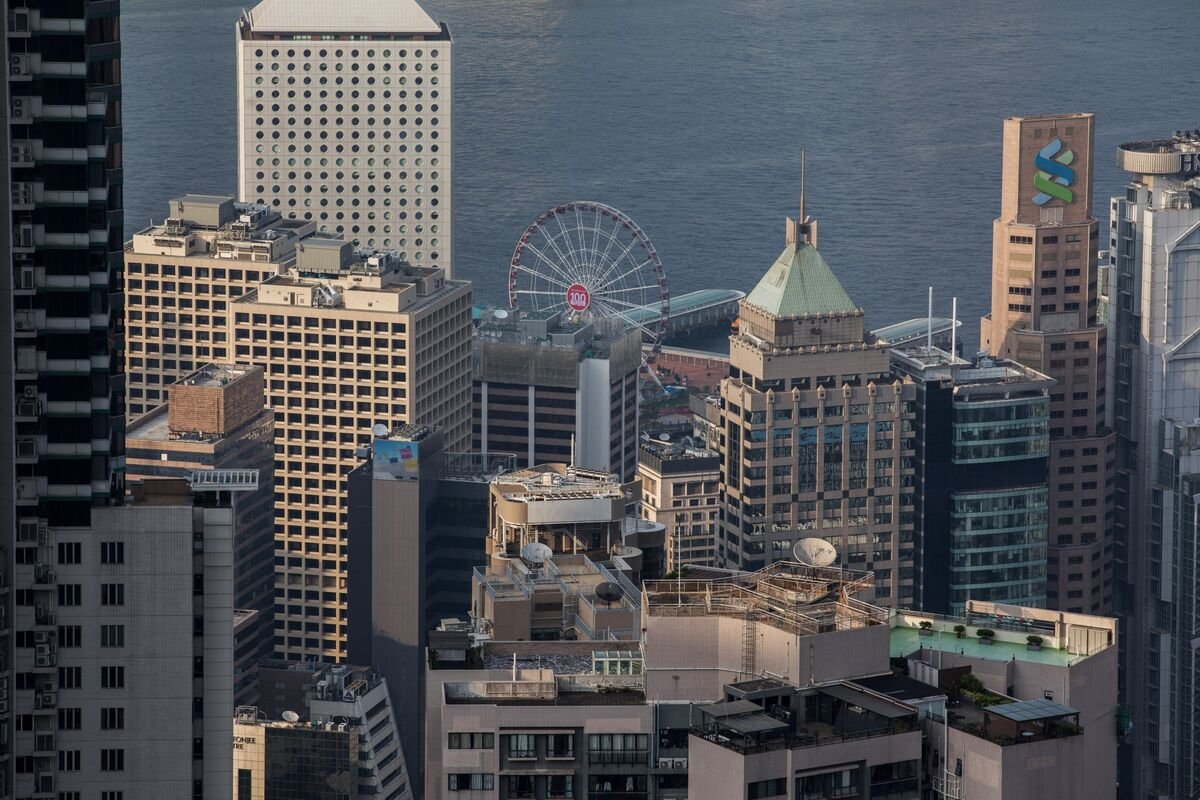
The pressure is centered on Hong Kong’s commercial property market, where office towers, retail complexes and mixed-use assets have suffered years of falling valuations, rising vacancies and weakening rental income.
Property values in some commercial segments have fallen by more than half from their 2019 peaks.
That collapse has eroded the collateral backing billions of dollars in bank loans and left developers struggling to refinance debt.
What is confirmed is that major banks and creditors have begun accelerating sales of troubled property-backed loans and distressed assets.
Some lenders are packaging non-performing or high-risk loans into portfolios for disposal to specialist investors.
Others are pushing borrowers into asset sales to recover cash before valuations deteriorate further.
The financial strain has spread beyond small speculative developers.
Mid-sized and even established Hong Kong property groups are facing refinancing pressure as bond maturities rise sharply through 2026 and 2027. Several companies have already defaulted on loans or bond payments, while others have narrowly avoided default through emergency refinancing agreements.
Banks spent much of the past three years avoiding outright enforcement.
Hong Kong’s financial authorities encouraged lenders to work constructively with borrowers to prevent a disorderly collapse in property values.
That approach delayed a wave of insolvencies but also trapped banks inside increasingly stressed commercial real estate exposure.
The economics of that strategy are now deteriorating.
Falling rental income has weakened debt-service capacity, while higher interest rates and tighter credit standards have made refinancing harder.
Many office and retail assets no longer generate enough cash flow to justify their previous valuations.
Buyers remain cautious, leaving distressed sellers with limited negotiating power.
The result is a growing market for discounted transactions.
Distressed-debt specialists, private equity firms and opportunistic investors are targeting assets being sold under pressure.
Fire sales are increasingly setting new market price benchmarks, which then reduce collateral values across the broader system.
That creates a feedback loop: lower valuations weaken balance sheets, which triggers more forced sales.
The banking sector remains financially stable overall, but the stress is unevenly distributed.
Larger institutions with diversified earnings and stronger capital buffers appear capable of absorbing substantial property losses.
Smaller banks and lenders with concentrated exposure to commercial real estate face more acute pressure.
Some lenders have already reported sharp increases in impaired property loans and valuation losses tied to investment properties.
Banks are raising provisions, restructuring loans and reassessing collateral assumptions under severe stress scenarios.
Analysts tracking the sector warn that additional defaults among smaller developers are increasingly plausible if refinancing conditions fail to improve.
The consequences extend beyond banks and developers.
Property and related sectors account for roughly a quarter of Hong Kong’s economy.
A prolonged liquidation cycle threatens construction activity, retail demand, employment and government land revenue.
Commercial districts continue to struggle with weak demand as multinational firms reduce office footprints and consumer behavior shifts after the pandemic period.
At the same time, there are signs of partial stabilization in parts of the residential market.
Some home prices have recovered modestly, and negative-equity mortgage cases have recently declined from elevated levels.
But that improvement has not translated into a broad commercial property recovery.
Office vacancy rates remain historically high, and landlords continue to cut rents to retain tenants.
The restructuring environment is also changing politically and legally.
Hong Kong courts are handling an expanding pipeline of insolvency, restructuring and liquidation cases linked to the wider Chinese property crisis.
Mainland developer distress has increasingly spilled into Hong Kong through offshore bonds, cross-border financing structures and listed subsidiaries.
The key issue is that Hong Kong’s financial system is now transitioning from denial to price discovery.
For years, banks avoided crystallizing losses in the hope that the market would rebound.
Distressed sales are now establishing lower but more realistic valuations.
That process is painful for developers and lenders, but it is also beginning to clear frozen assets from the market.
Investors are closely watching whether forced disposals accelerate through the second half of 2026. Large refinancing deadlines remain ahead for multiple developers, while banks are under pressure to reduce concentrated property exposure.
More restructurings, asset seizures and discounted sales are expected as lenders prioritize balance-sheet repair over long-term forbearance.
The immediate implication is clear: Hong Kong’s property downturn is no longer a slow-moving valuation problem.
It has become an active debt-resolution cycle in which banks, liquidators and distressed investors are reshaping ownership of major assets across the city.
The shift marks a decisive escalation from years of loan extensions and quiet refinancing talks toward forced disposals, distressed-debt trading and court-driven restructuring.
The pressure is centered on Hong Kong’s commercial property market, where office towers, retail complexes and mixed-use assets have suffered years of falling valuations, rising vacancies and weakening rental income.
Property values in some commercial segments have fallen by more than half from their 2019 peaks.
That collapse has eroded the collateral backing billions of dollars in bank loans and left developers struggling to refinance debt.
What is confirmed is that major banks and creditors have begun accelerating sales of troubled property-backed loans and distressed assets.
Some lenders are packaging non-performing or high-risk loans into portfolios for disposal to specialist investors.
Others are pushing borrowers into asset sales to recover cash before valuations deteriorate further.
The financial strain has spread beyond small speculative developers.
Mid-sized and even established Hong Kong property groups are facing refinancing pressure as bond maturities rise sharply through 2026 and 2027. Several companies have already defaulted on loans or bond payments, while others have narrowly avoided default through emergency refinancing agreements.
Banks spent much of the past three years avoiding outright enforcement.
Hong Kong’s financial authorities encouraged lenders to work constructively with borrowers to prevent a disorderly collapse in property values.
That approach delayed a wave of insolvencies but also trapped banks inside increasingly stressed commercial real estate exposure.
The economics of that strategy are now deteriorating.
Falling rental income has weakened debt-service capacity, while higher interest rates and tighter credit standards have made refinancing harder.
Many office and retail assets no longer generate enough cash flow to justify their previous valuations.
Buyers remain cautious, leaving distressed sellers with limited negotiating power.
The result is a growing market for discounted transactions.
Distressed-debt specialists, private equity firms and opportunistic investors are targeting assets being sold under pressure.
Fire sales are increasingly setting new market price benchmarks, which then reduce collateral values across the broader system.
That creates a feedback loop: lower valuations weaken balance sheets, which triggers more forced sales.
The banking sector remains financially stable overall, but the stress is unevenly distributed.
Larger institutions with diversified earnings and stronger capital buffers appear capable of absorbing substantial property losses.
Smaller banks and lenders with concentrated exposure to commercial real estate face more acute pressure.
Some lenders have already reported sharp increases in impaired property loans and valuation losses tied to investment properties.
Banks are raising provisions, restructuring loans and reassessing collateral assumptions under severe stress scenarios.
Analysts tracking the sector warn that additional defaults among smaller developers are increasingly plausible if refinancing conditions fail to improve.
The consequences extend beyond banks and developers.
Property and related sectors account for roughly a quarter of Hong Kong’s economy.
A prolonged liquidation cycle threatens construction activity, retail demand, employment and government land revenue.
Commercial districts continue to struggle with weak demand as multinational firms reduce office footprints and consumer behavior shifts after the pandemic period.
At the same time, there are signs of partial stabilization in parts of the residential market.
Some home prices have recovered modestly, and negative-equity mortgage cases have recently declined from elevated levels.
But that improvement has not translated into a broad commercial property recovery.
Office vacancy rates remain historically high, and landlords continue to cut rents to retain tenants.
The restructuring environment is also changing politically and legally.
Hong Kong courts are handling an expanding pipeline of insolvency, restructuring and liquidation cases linked to the wider Chinese property crisis.
Mainland developer distress has increasingly spilled into Hong Kong through offshore bonds, cross-border financing structures and listed subsidiaries.
The key issue is that Hong Kong’s financial system is now transitioning from denial to price discovery.
For years, banks avoided crystallizing losses in the hope that the market would rebound.
Distressed sales are now establishing lower but more realistic valuations.
That process is painful for developers and lenders, but it is also beginning to clear frozen assets from the market.
Investors are closely watching whether forced disposals accelerate through the second half of 2026. Large refinancing deadlines remain ahead for multiple developers, while banks are under pressure to reduce concentrated property exposure.
More restructurings, asset seizures and discounted sales are expected as lenders prioritize balance-sheet repair over long-term forbearance.
The immediate implication is clear: Hong Kong’s property downturn is no longer a slow-moving valuation problem.
It has become an active debt-resolution cycle in which banks, liquidators and distressed investors are reshaping ownership of major assets across the city.
AI Disclaimer: An advanced artificial intelligence (AI) system generated the content of this page on its own. This innovative technology conducts extensive research from a variety of reliable sources, performs rigorous fact-checking and verification, cleans up and balances biased or manipulated content, and presents a minimal factual summary that is just enough yet essential for you to function as an informed and educated citizen. Please keep in mind, however, that this system is an evolving technology, and as a result, the article may contain accidental inaccuracies or errors. We urge you to help us improve our site by reporting any inaccuracies you find using the "Contact Us" link at the bottom of this page. Your helpful feedback helps us improve our system and deliver more precise content. When you find an article of interest here, please look for the full and extensive coverage of this topic in traditional news sources, as they are written by professional journalists that we try to support, not replace. We appreciate your understanding and assistance.