Chinese Chip Stocks Surge in Hong Kong as Investors Bet Huawei Can Break US Technology Restrictions
A rally in semiconductor-related shares reflects growing market belief that Huawei and China’s domestic chip sector are making meaningful progress toward reducing dependence on American technology despite escalating export controls.
China’s semiconductor rally in Hong Kong is fundamentally system-driven because the movement is being powered by the restructuring of the global technology supply chain under United States export restrictions rather than by a single product announcement or isolated corporate result.
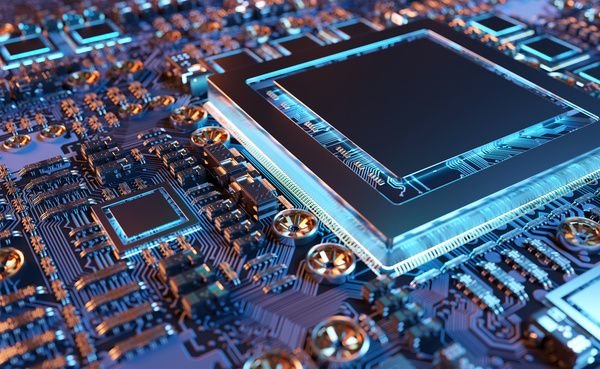
Chinese chip-related stocks listed in Hong Kong rose sharply as investors responded to growing optimism surrounding Huawei’s technological progress and China’s broader push for semiconductor self-sufficiency.
The rally reflects increasing confidence that Chinese firms are gradually adapting to years of American sanctions, export controls, and restrictions targeting advanced chip technology.
What is confirmed is that semiconductor-linked shares, including companies tied to chip manufacturing equipment, design, artificial intelligence infrastructure, and electronics supply chains, have attracted stronger investor interest amid renewed focus on Huawei’s technological capabilities.
Huawei remains central to the story because the company became the most visible target of the United States campaign to slow China’s technological rise.
Washington imposed sweeping restrictions over recent years aimed at limiting Huawei’s access to advanced semiconductors, American software, chip-design tools, and high-end manufacturing technology.
The broader strategy later expanded into wider export controls targeting China’s artificial intelligence and advanced semiconductor sectors.
The restrictions were designed to slow China’s ability to develop cutting-edge computing, military technology, telecommunications systems, and AI infrastructure.
Instead of collapsing, however, China’s technology sector increasingly shifted toward accelerated domestic substitution.
Huawei became both a symbol and a test case.
The company invested heavily in domestic research, alternative supply chains, software ecosystems, semiconductor partnerships, and in-house technological development after losing access to many foreign suppliers.
Investor optimism intensified after Huawei demonstrated signs of recovering competitiveness in smartphones, AI-related hardware, telecommunications infrastructure, and advanced computing systems despite continued sanctions pressure.
The market reaction reflects a larger belief that China’s semiconductor ecosystem may be progressing faster than many investors previously expected.
The key issue is not whether China has fully caught up with global semiconductor leaders.
It has not.
China still remains heavily dependent on foreign technology in several critical areas, especially at the most advanced levels of chip manufacturing, lithography systems, precision fabrication equipment, and high-end semiconductor design software.
But investors increasingly believe the gap may be narrowing in strategically important sectors.
That matters because semiconductors sit at the center of the global technology economy.
Advanced chips power artificial intelligence systems, smartphones, cloud computing, military systems, electric vehicles, industrial automation, telecommunications networks, and data centers.
Control over semiconductor production increasingly defines geopolitical power.
The United States views advanced chips as a national-security issue.
Washington’s export-control system now targets not only direct sales to Chinese companies but also global supply chains involving American technology, equipment, and intellectual property.
The restrictions affect firms across Asia, Europe, and North America.
Chinese policymakers responded by dramatically increasing support for domestic semiconductor development.
State-backed investment funds, industrial subsidies, research programs, local-government incentives, and financing support have all expanded as Beijing attempts to build a more self-sufficient technology ecosystem.
Huawei occupies a particularly important position because its survival under sanctions carries symbolic and strategic significance for China.
If Huawei demonstrates the ability to remain technologically competitive despite American restrictions, it strengthens confidence in Beijing’s broader industrial strategy.
That perception is helping drive equity-market enthusiasm.
The Hong Kong rally also reflects wider investor positioning around artificial intelligence.
Global demand for AI-related computing infrastructure continues surging, increasing the strategic value of chipmakers, semiconductor equipment suppliers, data-processing firms, and advanced electronics manufacturers.
Chinese investors increasingly see domestic semiconductor firms as long-term beneficiaries of both geopolitical necessity and AI-driven industrial expansion.
At the same time, substantial constraints remain.
China still faces serious bottlenecks in advanced chip fabrication.
The country lacks access to the most sophisticated extreme ultraviolet lithography systems needed for cutting-edge semiconductor production.
American export controls also continue restricting high-performance graphics-processing units and advanced manufacturing equipment.
Chinese firms therefore remain strongest in mature-node semiconductors, industrial chips, automotive electronics, telecommunications hardware, and selective AI-related systems rather than at the absolute frontier of global chip technology.
But even partial progress carries major economic implications.
China is the world’s largest semiconductor consumer.
Reducing import dependence even modestly could redirect enormous amounts of capital into domestic firms while strengthening national industrial resilience.
Hong Kong’s market reaction also reflects changing investor psychology toward China.
After years of weak sentiment tied to property-sector stress, regulatory crackdowns, slowing growth, and geopolitical tensions, parts of the market are beginning to search for sectors aligned with long-term state priorities.
Semiconductors, artificial intelligence, renewable energy, electric vehicles, and advanced manufacturing increasingly fit that profile.
The Chinese government views these sectors as strategically indispensable.
Technology self-sufficiency has become one of Beijing’s core national objectives as tensions with the United States deepen.
This means semiconductor firms may continue receiving financing support, policy protection, industrial subsidies, and preferential investment treatment even during broader economic weakness.
International investors remain divided.
Some global funds remain cautious because of export-control risk, sanctions exposure, limited transparency, and uncertainty surrounding future US-China technology restrictions.
Others increasingly believe geopolitical fragmentation itself guarantees long-term Chinese investment into domestic chip capability regardless of short-term profitability.
The rally therefore reflects more than optimism about Huawei alone.
It reflects a growing market belief that the semiconductor conflict between China and the United States is no longer simply about restricting Chinese access to foreign technology.
It has become a race to determine whether China can build an alternative industrial ecosystem capable of sustaining advanced computing, artificial intelligence, telecommunications infrastructure, and strategic manufacturing under prolonged geopolitical pressure.
The practical consequence is that Chinese semiconductor stocks are increasingly trading not just on corporate earnings but on perceptions of national technological resilience and Beijing’s willingness to continue pouring financial and political capital into achieving long-term chip independence.
Chinese chip-related stocks listed in Hong Kong rose sharply as investors responded to growing optimism surrounding Huawei’s technological progress and China’s broader push for semiconductor self-sufficiency.
The rally reflects increasing confidence that Chinese firms are gradually adapting to years of American sanctions, export controls, and restrictions targeting advanced chip technology.
What is confirmed is that semiconductor-linked shares, including companies tied to chip manufacturing equipment, design, artificial intelligence infrastructure, and electronics supply chains, have attracted stronger investor interest amid renewed focus on Huawei’s technological capabilities.
Huawei remains central to the story because the company became the most visible target of the United States campaign to slow China’s technological rise.
Washington imposed sweeping restrictions over recent years aimed at limiting Huawei’s access to advanced semiconductors, American software, chip-design tools, and high-end manufacturing technology.
The broader strategy later expanded into wider export controls targeting China’s artificial intelligence and advanced semiconductor sectors.
The restrictions were designed to slow China’s ability to develop cutting-edge computing, military technology, telecommunications systems, and AI infrastructure.
Instead of collapsing, however, China’s technology sector increasingly shifted toward accelerated domestic substitution.
Huawei became both a symbol and a test case.
The company invested heavily in domestic research, alternative supply chains, software ecosystems, semiconductor partnerships, and in-house technological development after losing access to many foreign suppliers.
Investor optimism intensified after Huawei demonstrated signs of recovering competitiveness in smartphones, AI-related hardware, telecommunications infrastructure, and advanced computing systems despite continued sanctions pressure.
The market reaction reflects a larger belief that China’s semiconductor ecosystem may be progressing faster than many investors previously expected.
The key issue is not whether China has fully caught up with global semiconductor leaders.
It has not.
China still remains heavily dependent on foreign technology in several critical areas, especially at the most advanced levels of chip manufacturing, lithography systems, precision fabrication equipment, and high-end semiconductor design software.
But investors increasingly believe the gap may be narrowing in strategically important sectors.
That matters because semiconductors sit at the center of the global technology economy.
Advanced chips power artificial intelligence systems, smartphones, cloud computing, military systems, electric vehicles, industrial automation, telecommunications networks, and data centers.
Control over semiconductor production increasingly defines geopolitical power.
The United States views advanced chips as a national-security issue.
Washington’s export-control system now targets not only direct sales to Chinese companies but also global supply chains involving American technology, equipment, and intellectual property.
The restrictions affect firms across Asia, Europe, and North America.
Chinese policymakers responded by dramatically increasing support for domestic semiconductor development.
State-backed investment funds, industrial subsidies, research programs, local-government incentives, and financing support have all expanded as Beijing attempts to build a more self-sufficient technology ecosystem.
Huawei occupies a particularly important position because its survival under sanctions carries symbolic and strategic significance for China.
If Huawei demonstrates the ability to remain technologically competitive despite American restrictions, it strengthens confidence in Beijing’s broader industrial strategy.
That perception is helping drive equity-market enthusiasm.
The Hong Kong rally also reflects wider investor positioning around artificial intelligence.
Global demand for AI-related computing infrastructure continues surging, increasing the strategic value of chipmakers, semiconductor equipment suppliers, data-processing firms, and advanced electronics manufacturers.
Chinese investors increasingly see domestic semiconductor firms as long-term beneficiaries of both geopolitical necessity and AI-driven industrial expansion.
At the same time, substantial constraints remain.
China still faces serious bottlenecks in advanced chip fabrication.
The country lacks access to the most sophisticated extreme ultraviolet lithography systems needed for cutting-edge semiconductor production.
American export controls also continue restricting high-performance graphics-processing units and advanced manufacturing equipment.
Chinese firms therefore remain strongest in mature-node semiconductors, industrial chips, automotive electronics, telecommunications hardware, and selective AI-related systems rather than at the absolute frontier of global chip technology.
But even partial progress carries major economic implications.
China is the world’s largest semiconductor consumer.
Reducing import dependence even modestly could redirect enormous amounts of capital into domestic firms while strengthening national industrial resilience.
Hong Kong’s market reaction also reflects changing investor psychology toward China.
After years of weak sentiment tied to property-sector stress, regulatory crackdowns, slowing growth, and geopolitical tensions, parts of the market are beginning to search for sectors aligned with long-term state priorities.
Semiconductors, artificial intelligence, renewable energy, electric vehicles, and advanced manufacturing increasingly fit that profile.
The Chinese government views these sectors as strategically indispensable.
Technology self-sufficiency has become one of Beijing’s core national objectives as tensions with the United States deepen.
This means semiconductor firms may continue receiving financing support, policy protection, industrial subsidies, and preferential investment treatment even during broader economic weakness.
International investors remain divided.
Some global funds remain cautious because of export-control risk, sanctions exposure, limited transparency, and uncertainty surrounding future US-China technology restrictions.
Others increasingly believe geopolitical fragmentation itself guarantees long-term Chinese investment into domestic chip capability regardless of short-term profitability.
The rally therefore reflects more than optimism about Huawei alone.
It reflects a growing market belief that the semiconductor conflict between China and the United States is no longer simply about restricting Chinese access to foreign technology.
It has become a race to determine whether China can build an alternative industrial ecosystem capable of sustaining advanced computing, artificial intelligence, telecommunications infrastructure, and strategic manufacturing under prolonged geopolitical pressure.
The practical consequence is that Chinese semiconductor stocks are increasingly trading not just on corporate earnings but on perceptions of national technological resilience and Beijing’s willingness to continue pouring financial and political capital into achieving long-term chip independence.
AI Disclaimer: An advanced artificial intelligence (AI) system generated the content of this page on its own. This innovative technology conducts extensive research from a variety of reliable sources, performs rigorous fact-checking and verification, cleans up and balances biased or manipulated content, and presents a minimal factual summary that is just enough yet essential for you to function as an informed and educated citizen. Please keep in mind, however, that this system is an evolving technology, and as a result, the article may contain accidental inaccuracies or errors. We urge you to help us improve our site by reporting any inaccuracies you find using the "Contact Us" link at the bottom of this page. Your helpful feedback helps us improve our system and deliver more precise content. When you find an article of interest here, please look for the full and extensive coverage of this topic in traditional news sources, as they are written by professional journalists that we try to support, not replace. We appreciate your understanding and assistance.