Hong Kong Defends Senior Prosecutor After Fugitive Activist Accuses Officials of Political Misconduct
The confrontation highlights the escalating battle between Hong Kong authorities and overseas activists as Beijing-backed national security enforcement increasingly extends beyond the city’s borders.
Hong Kong’s response to allegations against a senior government prosecutor is fundamentally actor-driven because the dispute centers on the credibility, conduct, and political role of officials enforcing the city’s expanding national security system.
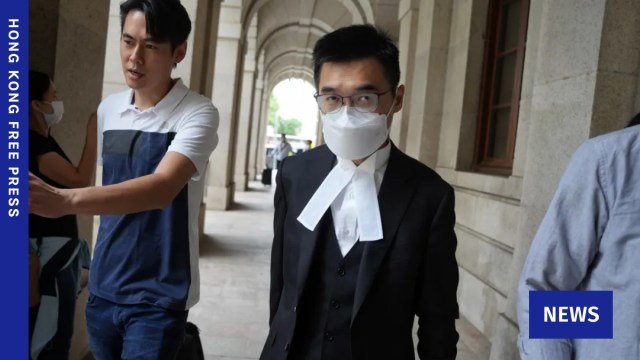
Hong Kong authorities sharply rejected accusations made by a wanted overseas activist against a top government prosecutor, calling the claims unfounded and politically motivated.
The clash reflects the increasingly internationalized conflict between the Hong Kong government and activists who fled abroad after the imposition of the national security law.
What is confirmed is that the activist, who is wanted by Hong Kong police under national security provisions, publicly accused a senior prosecutor involved in national security-related cases of misconduct and abuse of authority.
Hong Kong officials responded forcefully, defending the prosecutor and accusing the activist of attempting to undermine the integrity of the city’s legal system.
The dispute is part of a much larger transformation inside Hong Kong’s political and judicial environment since Beijing imposed the national security law in two thousand twenty after months of anti-government protests and political unrest.
The law fundamentally reshaped the city’s governance structure.
Authorities gained broad powers to prosecute offenses linked to secession, subversion, collusion with foreign forces, and terrorism-related activities.
The legislation also expanded police authority, increased surveillance capacity, and altered the legal framework surrounding political dissent.
Hong Kong and Beijing argue the law restored stability after prolonged unrest, violent demonstrations, and political paralysis.
Critics argue the system dramatically narrowed political freedoms, weakened civil liberties, and reduced the independence traditionally associated with Hong Kong’s legal institutions.
The current dispute illustrates how the conflict has increasingly moved beyond Hong Kong itself.
Many activists relocated overseas after arrests, prosecutions, or fears of detention under the national security framework.
Some continue operating from Britain, Canada, the United States, Taiwan, and other jurisdictions.
Hong Kong authorities, however, have continued pursuing them aggressively.
Police issued arrest warrants and financial bounties against several overseas activists accused of violating national security laws.
The government maintains that political activism conducted abroad can still fall within the law’s jurisdiction if authorities believe it threatens Chinese or Hong Kong state interests.
That extraterritorial dimension has become one of the most controversial aspects of the system.
Foreign governments and human-rights organizations have criticized what they view as attempts to intimidate dissidents outside Hong Kong.
Beijing and Hong Kong officials reject those accusations, insisting that national security offenses remain prosecutable regardless of geographic location.
The prosecutor at the center of the latest controversy represents a particularly sensitive institutional role.
Hong Kong’s Department of Justice has become central to implementing the national security framework through prosecutions, legal interpretation, and coordination with security agencies.
Critics increasingly argue that politically sensitive prosecutions blur the boundary between legal enforcement and political control.
The government strongly rejects that characterization.
Officials insist prosecutions are based strictly on evidence and legal procedure, arguing that no jurisdiction can tolerate activities it defines as threats to national security.
The public exchange also reflects a broader struggle over legitimacy.
Exiled activists frequently attempt to challenge the credibility of Hong Kong institutions internationally by highlighting alleged abuses, political pressure, or procedural concerns inside the judicial system.
Hong Kong authorities increasingly respond rapidly and aggressively to those claims because reputational damage now carries geopolitical consequences.
The city’s global image has become strategically important.
Hong Kong still operates as one of Asia’s major financial centers and continues promoting itself as a stable rule-of-law jurisdiction attractive to international business and investment.
Government officials therefore view allegations against prosecutors, judges, or legal institutions as potentially damaging not only politically but economically.
At the same time, the legal environment inside Hong Kong has changed substantially.
Several prominent opposition figures, media executives, activists, and former lawmakers were arrested, prosecuted, jailed, or forced into exile under national security-related charges.
Independent civil society organizations, labour groups, and pro-democracy media outlets have also been dissolved or shut down over recent years.
Supporters of the government argue these actions were necessary to restore order after the unrest of two thousand nineteen.
Critics argue they reflect the dismantling of political opposition and the narrowing of public dissent.
The dispute over the prosecutor also demonstrates how personal and institutional reputations have become deeply politicized inside Hong Kong.
Senior legal officials increasingly operate under intense scrutiny both from Beijing-aligned political forces demanding strict national security enforcement and from international critics accusing authorities of politicizing the judiciary.
This dual pressure environment has transformed Hong Kong’s once relatively technocratic legal culture into a far more openly contested political arena.
The broader consequence is that legal disputes connected to national security are no longer treated simply as domestic criminal matters.
They increasingly function as geopolitical conflicts involving sovereignty, state authority, international legitimacy, diaspora activism, and competing interpretations of rule of law.
For Beijing and the Hong Kong government, maintaining strict control over national security enforcement is viewed as essential to long-term political stability.
For overseas activists, challenging the credibility of those institutions remains one of the few remaining avenues for resistance after the collapse of organized opposition politics inside the city.
The latest confrontation therefore reflects the enduring reality of post-national-security-law Hong Kong: political conflict has not disappeared, but has instead shifted into a transnational struggle fought simultaneously through courts, diplomacy, media campaigns, and international public opinion.
Hong Kong authorities sharply rejected accusations made by a wanted overseas activist against a top government prosecutor, calling the claims unfounded and politically motivated.
The clash reflects the increasingly internationalized conflict between the Hong Kong government and activists who fled abroad after the imposition of the national security law.
What is confirmed is that the activist, who is wanted by Hong Kong police under national security provisions, publicly accused a senior prosecutor involved in national security-related cases of misconduct and abuse of authority.
Hong Kong officials responded forcefully, defending the prosecutor and accusing the activist of attempting to undermine the integrity of the city’s legal system.
The dispute is part of a much larger transformation inside Hong Kong’s political and judicial environment since Beijing imposed the national security law in two thousand twenty after months of anti-government protests and political unrest.
The law fundamentally reshaped the city’s governance structure.
Authorities gained broad powers to prosecute offenses linked to secession, subversion, collusion with foreign forces, and terrorism-related activities.
The legislation also expanded police authority, increased surveillance capacity, and altered the legal framework surrounding political dissent.
Hong Kong and Beijing argue the law restored stability after prolonged unrest, violent demonstrations, and political paralysis.
Critics argue the system dramatically narrowed political freedoms, weakened civil liberties, and reduced the independence traditionally associated with Hong Kong’s legal institutions.
The current dispute illustrates how the conflict has increasingly moved beyond Hong Kong itself.
Many activists relocated overseas after arrests, prosecutions, or fears of detention under the national security framework.
Some continue operating from Britain, Canada, the United States, Taiwan, and other jurisdictions.
Hong Kong authorities, however, have continued pursuing them aggressively.
Police issued arrest warrants and financial bounties against several overseas activists accused of violating national security laws.
The government maintains that political activism conducted abroad can still fall within the law’s jurisdiction if authorities believe it threatens Chinese or Hong Kong state interests.
That extraterritorial dimension has become one of the most controversial aspects of the system.
Foreign governments and human-rights organizations have criticized what they view as attempts to intimidate dissidents outside Hong Kong.
Beijing and Hong Kong officials reject those accusations, insisting that national security offenses remain prosecutable regardless of geographic location.
The prosecutor at the center of the latest controversy represents a particularly sensitive institutional role.
Hong Kong’s Department of Justice has become central to implementing the national security framework through prosecutions, legal interpretation, and coordination with security agencies.
Critics increasingly argue that politically sensitive prosecutions blur the boundary between legal enforcement and political control.
The government strongly rejects that characterization.
Officials insist prosecutions are based strictly on evidence and legal procedure, arguing that no jurisdiction can tolerate activities it defines as threats to national security.
The public exchange also reflects a broader struggle over legitimacy.
Exiled activists frequently attempt to challenge the credibility of Hong Kong institutions internationally by highlighting alleged abuses, political pressure, or procedural concerns inside the judicial system.
Hong Kong authorities increasingly respond rapidly and aggressively to those claims because reputational damage now carries geopolitical consequences.
The city’s global image has become strategically important.
Hong Kong still operates as one of Asia’s major financial centers and continues promoting itself as a stable rule-of-law jurisdiction attractive to international business and investment.
Government officials therefore view allegations against prosecutors, judges, or legal institutions as potentially damaging not only politically but economically.
At the same time, the legal environment inside Hong Kong has changed substantially.
Several prominent opposition figures, media executives, activists, and former lawmakers were arrested, prosecuted, jailed, or forced into exile under national security-related charges.
Independent civil society organizations, labour groups, and pro-democracy media outlets have also been dissolved or shut down over recent years.
Supporters of the government argue these actions were necessary to restore order after the unrest of two thousand nineteen.
Critics argue they reflect the dismantling of political opposition and the narrowing of public dissent.
The dispute over the prosecutor also demonstrates how personal and institutional reputations have become deeply politicized inside Hong Kong.
Senior legal officials increasingly operate under intense scrutiny both from Beijing-aligned political forces demanding strict national security enforcement and from international critics accusing authorities of politicizing the judiciary.
This dual pressure environment has transformed Hong Kong’s once relatively technocratic legal culture into a far more openly contested political arena.
The broader consequence is that legal disputes connected to national security are no longer treated simply as domestic criminal matters.
They increasingly function as geopolitical conflicts involving sovereignty, state authority, international legitimacy, diaspora activism, and competing interpretations of rule of law.
For Beijing and the Hong Kong government, maintaining strict control over national security enforcement is viewed as essential to long-term political stability.
For overseas activists, challenging the credibility of those institutions remains one of the few remaining avenues for resistance after the collapse of organized opposition politics inside the city.
The latest confrontation therefore reflects the enduring reality of post-national-security-law Hong Kong: political conflict has not disappeared, but has instead shifted into a transnational struggle fought simultaneously through courts, diplomacy, media campaigns, and international public opinion.
AI Disclaimer: An advanced artificial intelligence (AI) system generated the content of this page on its own. This innovative technology conducts extensive research from a variety of reliable sources, performs rigorous fact-checking and verification, cleans up and balances biased or manipulated content, and presents a minimal factual summary that is just enough yet essential for you to function as an informed and educated citizen. Please keep in mind, however, that this system is an evolving technology, and as a result, the article may contain accidental inaccuracies or errors. We urge you to help us improve our site by reporting any inaccuracies you find using the "Contact Us" link at the bottom of this page. Your helpful feedback helps us improve our system and deliver more precise content. When you find an article of interest here, please look for the full and extensive coverage of this topic in traditional news sources, as they are written by professional journalists that we try to support, not replace. We appreciate your understanding and assistance.