Chinese Stocks in Hong Kong Are Rising Despite Beijing’s Expanding Financial Crackdown
Investors are continuing to buy mainland-linked equities in Hong Kong even as Chinese authorities intensify scrutiny of cross-border trading, capital flows, and leveraged financial activity, revealing how dependent markets remain on expectations of state-backed economic stabilization.
China’s stock rally in Hong Kong is fundamentally system-driven because the market movement reflects investor expectations about Beijing’s economic management, liquidity support, and financial-control strategy rather than confidence in any single company or isolated event.
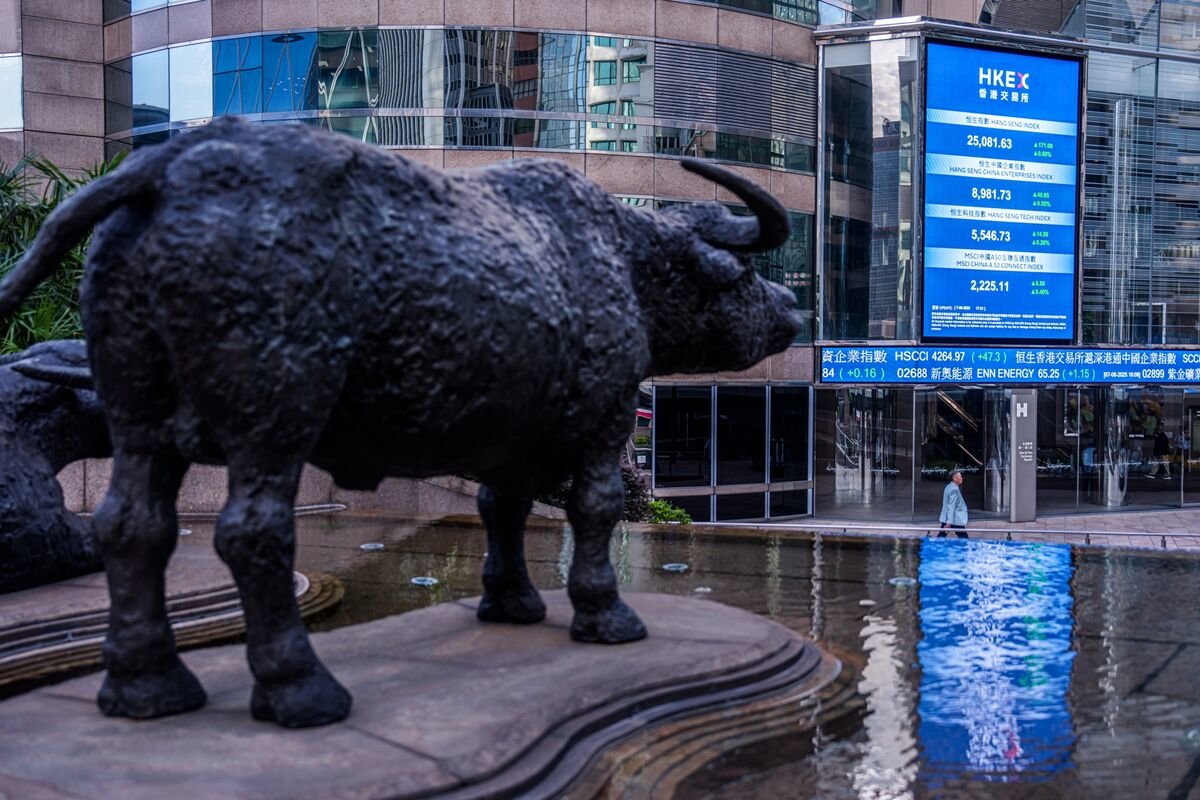
Chinese stocks listed in Hong Kong have continued rising even as Beijing intensifies crackdowns on cross-border trading structures, speculative financing activity, and questionable capital-flow arrangements.
The resilience of the rally shows that investors increasingly believe Chinese authorities will prioritize economic stabilization and market support despite tightening supervision across parts of the financial system.
What is confirmed is that mainland-linked equities in Hong Kong have recently advanced while Chinese regulators expanded oversight of trade-financing arrangements, cross-border investment activity, leveraged transactions, and financial structures authorities view as risky or opaque.
The apparent contradiction is central to understanding China’s current economic strategy.
Beijing is simultaneously attempting to stabilize growth, restore investor confidence, and reduce systemic financial risk.
Those goals do not always align.
On one side, authorities want stronger equity markets, improved private-sector confidence, and healthier capital conditions after years of economic slowdown, property-sector weakness, and regulatory crackdowns that damaged investor sentiment.
On the other side, Beijing remains determined to tighten control over speculative finance, hidden leverage, illicit capital movement, and shadow-banking behavior that officials believe threatens long-term financial stability.
Hong Kong sits directly at the center of that balancing act.
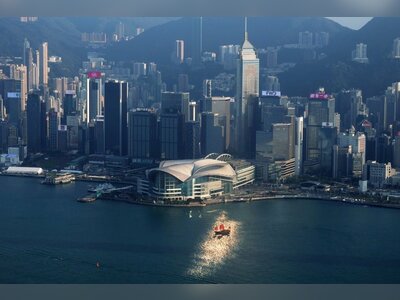
The city remains China’s most important offshore financial hub and the primary international market for many mainland companies.
Hong Kong equities therefore act as a barometer not only for corporate performance but for global confidence in Chinese economic policy.
The latest gains reflect shifting investor expectations.
Markets increasingly believe Chinese authorities are moving into a more supportive economic phase after prolonged pressure on property developers, technology firms, and highly leveraged sectors.
Beijing already introduced a series of measures aimed at supporting liquidity, stabilizing housing markets, encouraging lending, and improving market sentiment.
Chinese regulators also signaled greater willingness to support capital markets after years in which aggressive intervention and regulatory uncertainty weakened valuations.
Investors appear to be distinguishing between targeted crackdowns on risky financial practices and broader hostility toward markets themselves.
That distinction matters.
The current enforcement actions are focused heavily on trade-financing abuse, hidden leverage structures, suspicious capital transfers, and cross-border financial arrangements linked to regulatory arbitrage.
Authorities view many of these systems as threats to currency stability and systemic financial control rather than as productive drivers of economic growth.
The crackdown therefore fits into Beijing’s longer-term effort to reduce financial fragility.
China’s leadership remains deeply concerned about debt accumulation, property-sector exposure, shadow banking, and the risk of uncontrolled capital outflows.
The country’s economic slowdown intensified those concerns.
Weaker growth, declining property prices, deflationary pressure, and reduced private-sector confidence increased the danger that hidden leverage or speculative capital movement could destabilize parts of the financial system.
At the same time, China cannot afford prolonged weakness in equity markets.
Household confidence remains fragile.
Local governments face fiscal pressure.
Property investment remains subdued.
Consumer spending has recovered unevenly.
A stronger stock market therefore carries political and economic importance.
Hong Kong’s market is especially sensitive because it is heavily weighted toward mainland financial firms, technology companies, state-linked enterprises, and property-related sectors.
The city’s equities suffered steep declines over recent years as investors reacted to the national security law, geopolitical tensions, technology-sector crackdowns, property defaults, and slowing Chinese growth.
Valuations became historically depressed in several sectors.
That created conditions for a rebound once investors perceived even modest signs of policy stabilization.
Mainland Chinese capital flows also remain critical.
Through cross-border investment channels such as Stock Connect, mainland investors increasingly provide liquidity and support for Hong Kong-listed shares.
Chinese retail and institutional buying has become a major stabilizing force during periods when international investors reduce exposure.
This dynamic explains why Hong Kong markets can rise even while regulators tighten control elsewhere.
Investors are betting that Beijing will continue allowing sufficient liquidity and market access to support strategic sectors while cracking down selectively on activities viewed as financially dangerous or politically sensitive.
The broader geopolitical environment adds another layer.
China faces mounting pressure from trade restrictions, technology controls, supply-chain diversification efforts, and strategic rivalry with the United States.
That environment increases Beijing’s desire to maintain functioning capital markets capable of supporting industrial policy, technology investment, and economic modernization.
Financial markets are therefore becoming more politically managed rather than less important.
The rally also reflects a shift in investor psychology.
After years of negative sentiment surrounding China and Hong Kong assets, some investors increasingly view valuations as excessively pessimistic relative to the likelihood of systemic collapse.
Large state-linked financial institutions and government-aligned funds are also believed to have played supportive roles in market stabilization efforts.
However, the structure of the recovery remains fragile.
International investors continue expressing concern about transparency, policy unpredictability, property-sector debt, demographic decline, and weak private-sector confidence.
Many global funds remain cautious about long-term exposure despite recent gains.
The practical consequence is that Hong Kong’s market is increasingly operating under a hybrid model.
It still functions as an international financial center open to global capital, but market direction now depends heavily on Beijing’s ability to balance financial control with enough policy support to sustain investor confidence.
That means Chinese stocks in Hong Kong are no longer trading purely on conventional corporate fundamentals.
They are increasingly trading on perceptions of state capacity: whether Beijing can simultaneously control financial risk, prevent capital instability, support growth, and maintain confidence in a slowing but still globally critical economy.
The latest rally suggests investors currently believe the government is willing to intervene aggressively enough to prevent disorderly financial deterioration even while continuing to tighten supervision over the most opaque and leveraged parts of the system.
Chinese stocks listed in Hong Kong have continued rising even as Beijing intensifies crackdowns on cross-border trading structures, speculative financing activity, and questionable capital-flow arrangements.
The resilience of the rally shows that investors increasingly believe Chinese authorities will prioritize economic stabilization and market support despite tightening supervision across parts of the financial system.
What is confirmed is that mainland-linked equities in Hong Kong have recently advanced while Chinese regulators expanded oversight of trade-financing arrangements, cross-border investment activity, leveraged transactions, and financial structures authorities view as risky or opaque.
The apparent contradiction is central to understanding China’s current economic strategy.
Beijing is simultaneously attempting to stabilize growth, restore investor confidence, and reduce systemic financial risk.
Those goals do not always align.
On one side, authorities want stronger equity markets, improved private-sector confidence, and healthier capital conditions after years of economic slowdown, property-sector weakness, and regulatory crackdowns that damaged investor sentiment.
On the other side, Beijing remains determined to tighten control over speculative finance, hidden leverage, illicit capital movement, and shadow-banking behavior that officials believe threatens long-term financial stability.
Hong Kong sits directly at the center of that balancing act.
The city remains China’s most important offshore financial hub and the primary international market for many mainland companies.
Hong Kong equities therefore act as a barometer not only for corporate performance but for global confidence in Chinese economic policy.
The latest gains reflect shifting investor expectations.
Markets increasingly believe Chinese authorities are moving into a more supportive economic phase after prolonged pressure on property developers, technology firms, and highly leveraged sectors.
Beijing already introduced a series of measures aimed at supporting liquidity, stabilizing housing markets, encouraging lending, and improving market sentiment.
Chinese regulators also signaled greater willingness to support capital markets after years in which aggressive intervention and regulatory uncertainty weakened valuations.
Investors appear to be distinguishing between targeted crackdowns on risky financial practices and broader hostility toward markets themselves.
That distinction matters.
The current enforcement actions are focused heavily on trade-financing abuse, hidden leverage structures, suspicious capital transfers, and cross-border financial arrangements linked to regulatory arbitrage.
Authorities view many of these systems as threats to currency stability and systemic financial control rather than as productive drivers of economic growth.
The crackdown therefore fits into Beijing’s longer-term effort to reduce financial fragility.
China’s leadership remains deeply concerned about debt accumulation, property-sector exposure, shadow banking, and the risk of uncontrolled capital outflows.
The country’s economic slowdown intensified those concerns.
Weaker growth, declining property prices, deflationary pressure, and reduced private-sector confidence increased the danger that hidden leverage or speculative capital movement could destabilize parts of the financial system.
At the same time, China cannot afford prolonged weakness in equity markets.
Household confidence remains fragile.
Local governments face fiscal pressure.
Property investment remains subdued.
Consumer spending has recovered unevenly.
A stronger stock market therefore carries political and economic importance.
Hong Kong’s market is especially sensitive because it is heavily weighted toward mainland financial firms, technology companies, state-linked enterprises, and property-related sectors.
The city’s equities suffered steep declines over recent years as investors reacted to the national security law, geopolitical tensions, technology-sector crackdowns, property defaults, and slowing Chinese growth.
Valuations became historically depressed in several sectors.
That created conditions for a rebound once investors perceived even modest signs of policy stabilization.
Mainland Chinese capital flows also remain critical.
Through cross-border investment channels such as Stock Connect, mainland investors increasingly provide liquidity and support for Hong Kong-listed shares.
Chinese retail and institutional buying has become a major stabilizing force during periods when international investors reduce exposure.
This dynamic explains why Hong Kong markets can rise even while regulators tighten control elsewhere.
Investors are betting that Beijing will continue allowing sufficient liquidity and market access to support strategic sectors while cracking down selectively on activities viewed as financially dangerous or politically sensitive.
The broader geopolitical environment adds another layer.
China faces mounting pressure from trade restrictions, technology controls, supply-chain diversification efforts, and strategic rivalry with the United States.
That environment increases Beijing’s desire to maintain functioning capital markets capable of supporting industrial policy, technology investment, and economic modernization.
Financial markets are therefore becoming more politically managed rather than less important.
The rally also reflects a shift in investor psychology.
After years of negative sentiment surrounding China and Hong Kong assets, some investors increasingly view valuations as excessively pessimistic relative to the likelihood of systemic collapse.
Large state-linked financial institutions and government-aligned funds are also believed to have played supportive roles in market stabilization efforts.
However, the structure of the recovery remains fragile.
International investors continue expressing concern about transparency, policy unpredictability, property-sector debt, demographic decline, and weak private-sector confidence.
Many global funds remain cautious about long-term exposure despite recent gains.
The practical consequence is that Hong Kong’s market is increasingly operating under a hybrid model.
It still functions as an international financial center open to global capital, but market direction now depends heavily on Beijing’s ability to balance financial control with enough policy support to sustain investor confidence.
That means Chinese stocks in Hong Kong are no longer trading purely on conventional corporate fundamentals.
They are increasingly trading on perceptions of state capacity: whether Beijing can simultaneously control financial risk, prevent capital instability, support growth, and maintain confidence in a slowing but still globally critical economy.
The latest rally suggests investors currently believe the government is willing to intervene aggressively enough to prevent disorderly financial deterioration even while continuing to tighten supervision over the most opaque and leveraged parts of the system.
AI Disclaimer: An advanced artificial intelligence (AI) system generated the content of this page on its own. This innovative technology conducts extensive research from a variety of reliable sources, performs rigorous fact-checking and verification, cleans up and balances biased or manipulated content, and presents a minimal factual summary that is just enough yet essential for you to function as an informed and educated citizen. Please keep in mind, however, that this system is an evolving technology, and as a result, the article may contain accidental inaccuracies or errors. We urge you to help us improve our site by reporting any inaccuracies you find using the "Contact Us" link at the bottom of this page. Your helpful feedback helps us improve our system and deliver more precise content. When you find an article of interest here, please look for the full and extensive coverage of this topic in traditional news sources, as they are written by professional journalists that we try to support, not replace. We appreciate your understanding and assistance.