China’s Capital Controls Are Becoming a Growing Risk for Hong Kong’s Stock Market
Beijing’s tightening management of cross-border money flows is increasing uncertainty in Hong Kong equities as investors reassess the balance between financial integration, state control, and market stability.
China’s capital-control system is fundamentally driving instability in Hong Kong’s stock market because the city’s role as an international financial hub depends heavily on the controlled movement of mainland Chinese money into global capital markets.
Hong Kong’s equity market is increasingly sensitive to Beijing’s management of capital flows as Chinese authorities attempt to balance economic stabilization, currency defense, financial risk control, and geopolitical pressure.
The tension is exposing a core contradiction inside the city’s financial system: Hong Kong operates as a global market, but its long-term liquidity increasingly depends on policy decisions made in Beijing.
What is confirmed is that Chinese authorities continue maintaining strict controls over cross-border capital movement while selectively allowing investment channels connecting mainland China and Hong Kong.
Investors are closely monitoring whether tighter financial supervision or economic stress inside China could reduce liquidity flowing into Hong Kong-listed assets.
The concern is not simply about one regulatory announcement.
The deeper issue is structural.
Hong Kong’s stock market increasingly relies on mainland Chinese capital after years of changing global investor behavior, weaker international listings, geopolitical tension, and economic slowdown inside China.
Historically, Hong Kong functioned primarily as a gateway for foreign capital entering China.
Today, the relationship is becoming more reciprocal.
Mainland Chinese investors now play an increasingly important role supporting Hong Kong’s trading volumes, valuations, and market activity through cross-border investment systems such as Stock Connect.
That integration strengthened Hong Kong’s importance to China while also increasing the market’s exposure to Beijing’s financial policy priorities.
China maintains capital controls because unrestricted money outflows could destabilize the renminbi, weaken foreign-exchange reserves, accelerate capital flight, and undermine financial stability.
The Chinese government therefore manages outbound investment carefully through quotas, regulatory approvals, banking supervision, and administrative restrictions.
This system becomes particularly sensitive during periods of economic pressure.
China is currently navigating slowing growth, property-sector weakness, high local-government debt, declining consumer confidence, demographic deterioration, and external trade pressure.
At the same time, geopolitical rivalry with the United States has intensified concerns about financial security, sanctions exposure, and strategic control over capital flows.
The result is a more defensive policy environment.
Beijing wants to support economic recovery and maintain confidence in Chinese financial markets while also preventing destabilizing outflows of money.
Hong Kong sits directly inside that balancing act.
The city remains one of the world’s largest offshore financial centers and continues serving as the primary international fundraising platform for many Chinese companies.
But its equity market has experienced prolonged weakness due to slowing Chinese growth, regulatory crackdowns on major industries, property-market deterioration, and investor concerns about political intervention.
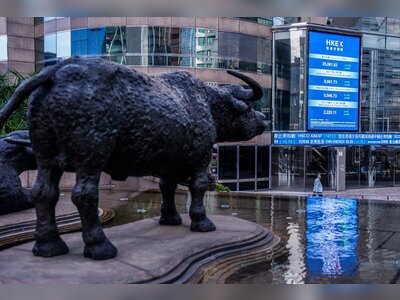
Hong Kong’s benchmark indexes remain heavily dominated by mainland Chinese firms, especially in technology, finance, property, and state-linked sectors.
That concentration means Chinese economic policy now shapes Hong Kong market sentiment more than local economic conditions alone.
The role of mainland investment flows has therefore become critical.
When Chinese retail and institutional investors increase buying through cross-border channels, Hong Kong equities often stabilize or rally.
When confidence weakens or authorities tighten capital supervision, market pressure can intensify rapidly.
This dynamic creates persistent uncertainty.
Investors understand that Beijing can expand or restrict financial access depending on economic conditions, currency pressure, or political priorities.
The Chinese government has attempted to reassure markets by supporting selective financial opening measures, encouraging foreign participation in some sectors, and maintaining cross-border investment programs.
But officials simultaneously remain deeply cautious about uncontrolled capital movement.
That caution intensified after earlier periods of large capital outflows placed pressure on China’s currency and reserves.
Hong Kong’s broader financial position is also evolving.
The city faces increasing competition from Singapore, which has attracted capital, family offices, regional headquarters, and wealth-management activity partly because of perceptions surrounding political predictability and regulatory diversification.
Meanwhile, some Western institutional investors have reduced exposure to Chinese and Hong Kong equities due to geopolitical tensions, sanctions risks, and concerns about regulatory transparency.
That makes mainland liquidity even more important to Hong Kong markets.
The issue extends beyond stocks themselves.
Capital controls influence property markets, wealth management, currency stability, banking liquidity, offshore financing, and international investor confidence.
For wealthy mainland Chinese individuals and companies, Hong Kong still represents one of the most accessible channels for international financial diversification.
Beijing understands that completely restricting those flows could damage Hong Kong’s economic role and undermine broader financial ambitions.
At the same time, authorities are unwilling to permit unrestricted movement of capital that could weaken domestic financial control.
This creates a permanent tension inside the system.
Hong Kong is expected to remain globally connected while also functioning inside China’s state-managed financial framework.
That hybrid structure worked effectively for many years during periods of rapid Chinese growth and strong international investor confidence.
Today, however, slower growth, geopolitical fragmentation, and rising state intervention are testing its resilience.
The stock market reaction reflects this uncertainty.
Investors are no longer evaluating Hong Kong purely as a conventional international financial center.
They are increasingly evaluating it as an extension of China’s broader political and financial policy environment.
The practical consequence is that Hong Kong equities are becoming more dependent on Beijing’s willingness to balance market support with financial control.
That means future market performance may increasingly hinge not only on corporate earnings or global investor appetite, but on how aggressively Chinese authorities decide to manage money itself.
The deeper reality is that Hong Kong’s financial future now depends on whether China can preserve enough openness to sustain global capital confidence while maintaining the level of state control Beijing considers essential to economic and political stability.
Hong Kong’s equity market is increasingly sensitive to Beijing’s management of capital flows as Chinese authorities attempt to balance economic stabilization, currency defense, financial risk control, and geopolitical pressure.
The tension is exposing a core contradiction inside the city’s financial system: Hong Kong operates as a global market, but its long-term liquidity increasingly depends on policy decisions made in Beijing.
What is confirmed is that Chinese authorities continue maintaining strict controls over cross-border capital movement while selectively allowing investment channels connecting mainland China and Hong Kong.
Investors are closely monitoring whether tighter financial supervision or economic stress inside China could reduce liquidity flowing into Hong Kong-listed assets.
The concern is not simply about one regulatory announcement.
The deeper issue is structural.
Hong Kong’s stock market increasingly relies on mainland Chinese capital after years of changing global investor behavior, weaker international listings, geopolitical tension, and economic slowdown inside China.
Historically, Hong Kong functioned primarily as a gateway for foreign capital entering China.
Today, the relationship is becoming more reciprocal.
Mainland Chinese investors now play an increasingly important role supporting Hong Kong’s trading volumes, valuations, and market activity through cross-border investment systems such as Stock Connect.
That integration strengthened Hong Kong’s importance to China while also increasing the market’s exposure to Beijing’s financial policy priorities.
China maintains capital controls because unrestricted money outflows could destabilize the renminbi, weaken foreign-exchange reserves, accelerate capital flight, and undermine financial stability.
The Chinese government therefore manages outbound investment carefully through quotas, regulatory approvals, banking supervision, and administrative restrictions.
This system becomes particularly sensitive during periods of economic pressure.
China is currently navigating slowing growth, property-sector weakness, high local-government debt, declining consumer confidence, demographic deterioration, and external trade pressure.
At the same time, geopolitical rivalry with the United States has intensified concerns about financial security, sanctions exposure, and strategic control over capital flows.
The result is a more defensive policy environment.
Beijing wants to support economic recovery and maintain confidence in Chinese financial markets while also preventing destabilizing outflows of money.
Hong Kong sits directly inside that balancing act.
The city remains one of the world’s largest offshore financial centers and continues serving as the primary international fundraising platform for many Chinese companies.
But its equity market has experienced prolonged weakness due to slowing Chinese growth, regulatory crackdowns on major industries, property-market deterioration, and investor concerns about political intervention.
Hong Kong’s benchmark indexes remain heavily dominated by mainland Chinese firms, especially in technology, finance, property, and state-linked sectors.
That concentration means Chinese economic policy now shapes Hong Kong market sentiment more than local economic conditions alone.
The role of mainland investment flows has therefore become critical.
When Chinese retail and institutional investors increase buying through cross-border channels, Hong Kong equities often stabilize or rally.
When confidence weakens or authorities tighten capital supervision, market pressure can intensify rapidly.
This dynamic creates persistent uncertainty.
Investors understand that Beijing can expand or restrict financial access depending on economic conditions, currency pressure, or political priorities.
The Chinese government has attempted to reassure markets by supporting selective financial opening measures, encouraging foreign participation in some sectors, and maintaining cross-border investment programs.
But officials simultaneously remain deeply cautious about uncontrolled capital movement.
That caution intensified after earlier periods of large capital outflows placed pressure on China’s currency and reserves.
Hong Kong’s broader financial position is also evolving.
The city faces increasing competition from Singapore, which has attracted capital, family offices, regional headquarters, and wealth-management activity partly because of perceptions surrounding political predictability and regulatory diversification.
Meanwhile, some Western institutional investors have reduced exposure to Chinese and Hong Kong equities due to geopolitical tensions, sanctions risks, and concerns about regulatory transparency.
That makes mainland liquidity even more important to Hong Kong markets.
The issue extends beyond stocks themselves.
Capital controls influence property markets, wealth management, currency stability, banking liquidity, offshore financing, and international investor confidence.
For wealthy mainland Chinese individuals and companies, Hong Kong still represents one of the most accessible channels for international financial diversification.
Beijing understands that completely restricting those flows could damage Hong Kong’s economic role and undermine broader financial ambitions.
At the same time, authorities are unwilling to permit unrestricted movement of capital that could weaken domestic financial control.
This creates a permanent tension inside the system.
Hong Kong is expected to remain globally connected while also functioning inside China’s state-managed financial framework.
That hybrid structure worked effectively for many years during periods of rapid Chinese growth and strong international investor confidence.
Today, however, slower growth, geopolitical fragmentation, and rising state intervention are testing its resilience.
The stock market reaction reflects this uncertainty.
Investors are no longer evaluating Hong Kong purely as a conventional international financial center.
They are increasingly evaluating it as an extension of China’s broader political and financial policy environment.
The practical consequence is that Hong Kong equities are becoming more dependent on Beijing’s willingness to balance market support with financial control.
That means future market performance may increasingly hinge not only on corporate earnings or global investor appetite, but on how aggressively Chinese authorities decide to manage money itself.
The deeper reality is that Hong Kong’s financial future now depends on whether China can preserve enough openness to sustain global capital confidence while maintaining the level of state control Beijing considers essential to economic and political stability.
AI Disclaimer: An advanced artificial intelligence (AI) system generated the content of this page on its own. This innovative technology conducts extensive research from a variety of reliable sources, performs rigorous fact-checking and verification, cleans up and balances biased or manipulated content, and presents a minimal factual summary that is just enough yet essential for you to function as an informed and educated citizen. Please keep in mind, however, that this system is an evolving technology, and as a result, the article may contain accidental inaccuracies or errors. We urge you to help us improve our site by reporting any inaccuracies you find using the "Contact Us" link at the bottom of this page. Your helpful feedback helps us improve our system and deliver more precise content. When you find an article of interest here, please look for the full and extensive coverage of this topic in traditional news sources, as they are written by professional journalists that we try to support, not replace. We appreciate your understanding and assistance.